Understanding Bitcoin in El Salvador's Economy
The adoption of Bitcoin in El Salvador marks a groundbreaking shift in the world of cryptocurrency. As the first nation to adopt Bitcoin as legal tender, El Salvador is leading a transformative journey that could influence global economic practices. This bold decision has sparked global interest and debate, highlighting both the opportunities and challenges of integrating digital currency into a national economy. This article explores the historic decision to make Bitcoin legal tender, its integration into El Salvador's economy, and the cultural phenomena that have emerged as a result. We'll delve into key projects such as Bitcoin Beach and Bitcoin City, the impact of the Lightning Network, and the broader economic and cultural implications.
Bitcoin as Legal Tender in El Salvador
In 2021, El Salvador made history by becoming the first country to declare Bitcoin as legal tender. This unprecedented move was championed by President Nayib Bukele, who saw Bitcoin as a tool for economic innovation and financial inclusion. The decision aimed to cut remittance costs, which make up a significant part of the country's GDP. By embracing Bitcoin, the government hoped to empower citizens with modern financial tools, fostering economic growth and stability.
One significant impact of Bitcoin is its role in facilitating remittances. Salvadorans living abroad can send money home with lower fees compared to traditional transfer services. This change has improved the financial well-being of many families, showcasing Bitcoin's potential to enhance financial inclusion.
The integration of Bitcoin into El Salvador's economy can be outlined in several key steps:
- Legalization of Bitcoin as legal tender in September 2021, allowing its use in all transactions.
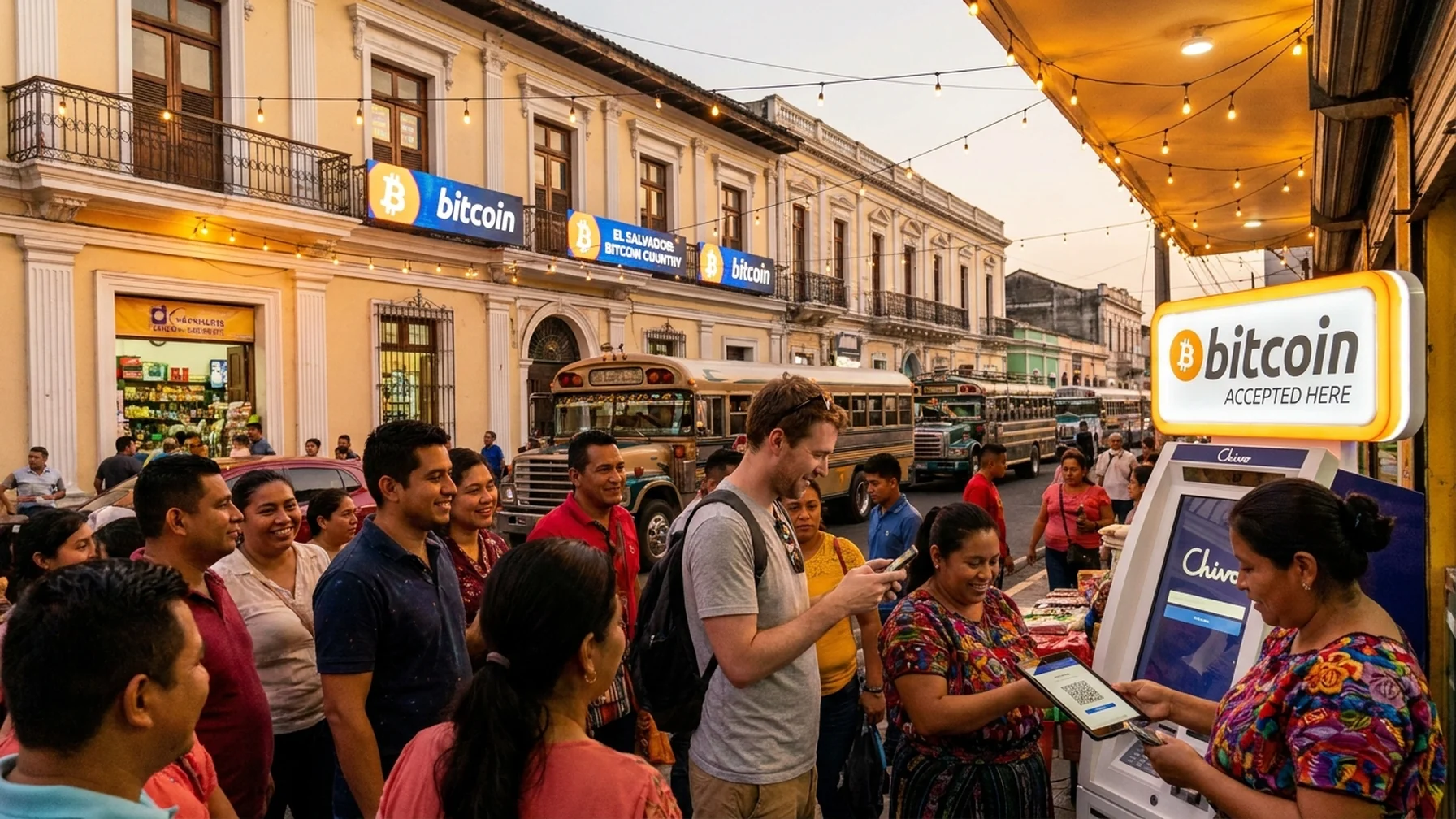
- Introduction of a national digital wallet called Chivo, facilitating Bitcoin transactions for citizens.
- Promotion of a Bitcoin-friendly environment to attract foreign investment and support tech startups.
These steps illustrate how Bitcoin is shaping El Salvador's economic landscape, from boosting financial inclusion to enhancing investment opportunities, marking a new era for the country's financial ecosystem.
The Role of Bitcoin Beach
Bitcoin Beach is a pivotal project that laid the groundwork for Bitcoin's adoption in El Salvador. Located in the coastal town of El Zonte, this initiative showcased Bitcoin's potential as a currency even before its national adoption. Bitcoin Beach served as a real-world laboratory, where residents used Bitcoin for everyday transactions, like buying groceries or paying for local services. This grassroots movement provided valuable insights into digital currency's practical applications and helped build community trust in Bitcoin.
A real-world scenario illustrating Bitcoin Beach's impact is the story of a local surf shop owner who began accepting Bitcoin payments. By doing so, the shop attracted international customers who preferred digital payments, boosting sales and expanding its customer base. This example highlights how Bitcoin can drive economic activity and create new opportunities for local businesses.
Bitcoin City: A Vision for the Future
Bitcoin City represents an ambitious vision for El Salvador's future in cryptocurrency. Announced by President Bukele, this futuristic city aims to be powered by geothermal energy from nearby volcanoes, emphasizing sustainability and innovation. Bitcoin City is designed to attract global investors and tech enthusiasts by offering a tax-free environment for cryptocurrency activities. This initiative positions El Salvador as a potential global leader in cryptocurrency adoption and innovation.
An illustrative case study is the planned infrastructure of Bitcoin City, which includes state-of-the-art facilities for blockchain education and research. By fostering a hub for technological advancement, El Salvador hopes to cultivate a new generation of tech-savvy entrepreneurs and professionals, further integrating Bitcoin into its economic fabric.
The Lightning Network and Bitcoin Transactions
To facilitate Bitcoin transactions, El Salvador has integrated the Lightning Network, a technology that enables faster and cheaper payments. This advancement allows for instant transactions, making Bitcoin a viable option for everyday purchases. The Lightning Network's efficiency has been pivotal in convincing merchants to accept Bitcoin, as it reduces transaction costs and improves customer experience.
A practical example of the Lightning Network's impact is seen in local cafes that have adopted Bitcoin payments. Customers can now purchase their morning coffee with Bitcoin, experiencing seamless and quick transactions. This convenience has increased Bitcoin's acceptance among consumers and merchants alike, contributing to its integration into the economy.
Spending Bitcoin: Merchant Stories
El Salvador's merchants have faced a range of experiences in transitioning to Bitcoin payments. From small street vendors to large retail chains, businesses have adapted to accept Bitcoin, opening up new economic possibilities. This transition has allowed for greater economic participation and has sparked a wave of entrepreneurial spirit among local businesses.
A notable example is a chain of grocery stores that began accepting Bitcoin, attracting a tech-savvy customer base eager to use digital currency. The chain reported increased foot traffic and customer satisfaction, illustrating how Bitcoin can enhance business operations and customer engagement.
Economic Impact and Challenges
While Bitcoin's adoption has brought numerous opportunities, it has also presented challenges. The volatility of Bitcoin prices poses risks to both consumers and businesses, potentially affecting economic stability. Additionally, there is a learning curve for the population in understanding and using this digital currency effectively. Despite these challenges, the government remains optimistic about the positive long-term effects.
One challenge faced by businesses is pricing goods in Bitcoin amidst price fluctuations. Some merchants have adopted strategies such as immediate conversion to stablecoins or fiat currency to mitigate this risk. This approach helps stabilize revenue, reducing the impact of Bitcoin's volatility on business operations.
Some of the economic challenges include:
- Price volatility affecting transactional stability.
- Educational gaps in understanding cryptocurrency.
- Technological barriers in rural areas.
Bitcoin Maximalism and Cultural Shifts
The rise of Bitcoin maximalism reflects a cultural shift within El Salvador. This belief in Bitcoin as the ultimate form of money has gained traction among enthusiasts. The atmosphere surrounding Bitcoin has fostered a sense of community and innovation, influencing both economic policies and cultural narratives.
A cultural phenomenon is the emergence of Bitcoin-themed events and meetups, where enthusiasts gather to discuss developments and share experiences. These gatherings have strengthened community bonds and encouraged knowledge sharing, contributing to Bitcoin's cultural integration in El Salvador.
Satoshi's Legacy in El Salvador
The influence of Bitcoin's mysterious creator, Satoshi Nakamoto, is felt in El Salvador's embrace of cryptocurrency. From the Bitcoin whitepaper to the genesis block, Satoshi's vision of a decentralized currency is being realized. This legacy fuels the enthusiasm and commitment to integrating Bitcoin into El Salvador's economy.
El Salvador's commitment to Satoshi's vision is evident in its educational initiatives aimed at teaching the population about Bitcoin and blockchain technology. These programs aim to equip citizens with the knowledge needed to participate in the digital economy, ensuring Satoshi's legacy lives on through a new generation of Bitcoin users.
Innovations and Future Prospects
Looking ahead, El Salvador's continued investment in Bitcoin-related infrastructure and technology promises ongoing innovation. With projects like Bitcoin City and the widespread use of the Lightning Network, the country is poised to become a hub for cryptocurrency development. The future holds potential for further advancements and integration of Bitcoin into everyday life.
Potential future developments include expanding Bitcoin payment systems to public services, such as transportation and utilities. By integrating Bitcoin into these sectors, El Salvador aims to create a fully digital economy, showcasing the transformative power of cryptocurrency on a national scale.
In summary, Bitcoin's role in El Salvador's economy is both transformative and challenging. From legal tender status to cultural adoption, the journey is ongoing. As El Salvador navigates this new economic landscape, it offers valuable insights into the potential of cryptocurrencies on a national scale.
To better understand the current landscape of cryptocurrency adoption in El Salvador, consider the following table:
Table 1: Key Aspects of Bitcoin in El Salvador's Economy
| Aspect | Details |
|---|---|
| Legal Status | Recognized as legal tender since September 2021 |
| Key Projects | Bitcoin Beach, Bitcoin City |
| Transaction Technology | Lightning Network for faster payments |
| Challenges | Volatility, educational gaps, technological barriers |
This table provides a concise overview of the significant elements shaping Bitcoin's integration into El Salvador's economy.