Spending Cryptocurrency in 2024: A Journey Through Bitcoin's Legacy
As we delve into 2024, the world of cryptocurrency, spearheaded by Bitcoin, continues to evolve and innovate. Understanding the rich history and culture surrounding Bitcoin can enhance your experience as you consider spending cryptocurrency in 2024. From Bitcoin Pizza Day to the advent of the Lightning Network, each facet of Bitcoin contributes a unique narrative to its ongoing story.
Bitcoin Pizza Day: A Landmark in Crypto Transactions
Bitcoin Pizza Day stands as a pivotal event in Bitcoin history. On May 22, 2010, Laszlo Hanyecz famously used 10,000 BTC to buy two pizzas, marking the first real-world transaction with Bitcoin. This day is celebrated annually by crypto enthusiasts as a testament to Bitcoin's journey from a niche digital asset to a mainstream financial instrument.
As we head into 2024, the potential for spending cryptocurrency continues to grow. Here are some key considerations:
- Wider acceptance by major retailers and online platforms.
- Enhanced security and privacy features in digital wallets.
- The rise of stablecoins as a practical spending option.
The Enigma of Satoshi Nakamoto's Identity
The creator of Bitcoin, known by the pseudonym Satoshi Nakamoto, remains an enigma. Despite extensive theories and investigations, Satoshi's true identity is still unknown, adding to the intrigue and cultural mythology surrounding Bitcoin. This mystery underscores Bitcoin's decentralized nature and the anonymity it can offer.
- Speculation exists that Satoshi could be a person or a group.
- Some suggest that Satoshi might be a pseudonym for a renowned cryptographer.
- Efforts to reveal Satoshi's identity have increased over time.
- The mystery enhances Bitcoin's narrative as a decentralized currency.
The Mystery of Lost Bitcoin Wallets
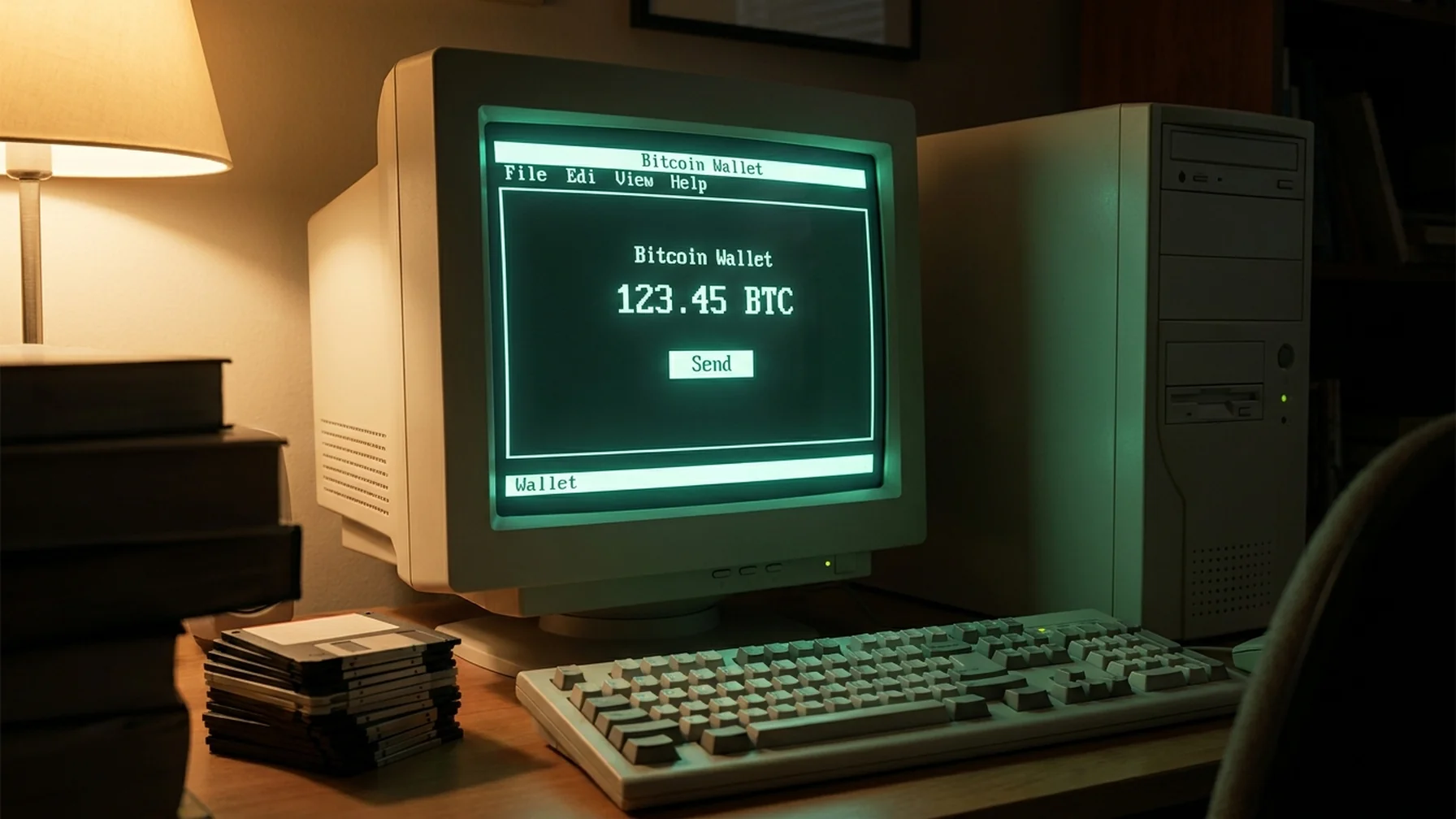
Lost Bitcoin wallets contribute to Bitcoin's scarcity and value. Many wallets, often containing significant amounts of Bitcoin, have been lost due to forgotten passwords or discarded hardware. This phenomenon highlights the importance of security and meticulous information management among cryptocurrency users.
Common causes of inaccessible Bitcoin wallets include:
- Forgotten or misplaced passwords.
- Loss of private keys.
- Discarded or damaged hardware.
- Inadequate backup of wallet information.
Bitcoin's Evolution: From Whitepaper to Genesis Block
The Bitcoin whitepaper, released in 2008, set the stage for Bitcoin's creation. The mining of the genesis block on January 3, 2009, marked the beginning of the Bitcoin blockchain. These milestones not only illustrate Bitcoin's technical foundations but also its philosophical roots in financial independence.
Exploring Bitcoin's Early Transactions: Hal Finney's Role
Hal Finney was a crucial figure in Bitcoin's early history, being the first recipient of a Bitcoin transaction from Satoshi Nakamoto. Finney's involvement and belief in cryptocurrency's potential continue to inspire Bitcoin advocates who view Bitcoin as the ultimate decentralized currency.
Innovations: Bitcoin Ordinals and the Runes Protocol
Bitcoin ordinals and the Runes protocol offer new ways to inscribe data on the Bitcoin blockchain. These technologies enable creative uses and expand Bitcoin's capabilities beyond simple transactions, showcasing its potential for innovation.
Enhancements in Bitcoin's Protocol: SegWit and Taproot
Segregated Witness (SegWit) and the Taproot upgrade represent significant advancements in Bitcoin’s protocol. SegWit aimed to increase transaction capacity and reduce fees, while Taproot enhanced privacy and smart contract functionality, reflecting ongoing efforts to optimize Bitcoin's infrastructure.
The Lightning Network: Transforming Bitcoin Transactions
The Lightning Network is a second-layer protocol that enables faster and cheaper Bitcoin transactions. By facilitating off-chain transactions, it enhances Bitcoin's usability for everyday spending, making microtransactions feasible and encouraging greater merchant adoption.
Bitcoin Mining and the Era of Forks
Bitcoin mining has evolved from a hobby to a global industry. The history of Bitcoin forks, such as Bitcoin Cash and Bitcoin Satoshi Vision, highlights the ideological differences within the community about Bitcoin's future. Each fork represents a unique vision for scalability and decentralization.
Understanding Satoshis, Bitcoin Dust, and Coinbase Transactions
A satoshi, the smallest unit of Bitcoin, illustrates the trend toward microtransactions in cryptocurrency. "Bitcoin dust" refers to small Bitcoin amounts that are often uneconomical to spend. Coinbase transactions, which reward miners for block creation, are crucial to Bitcoin's incentive structure and issuance.
Bitcoin vs. Gold: A Debate in Economic Theory
The debate between Bitcoin and gold is prominent in economic discussions, particularly in Austrian economics, which values decentralized monetary systems. Bitcoin is often called "digital gold" due to its limited supply and deflationary nature, appealing to advocates of sound money principles.
Bitcoin in El Salvador: A National Experiment
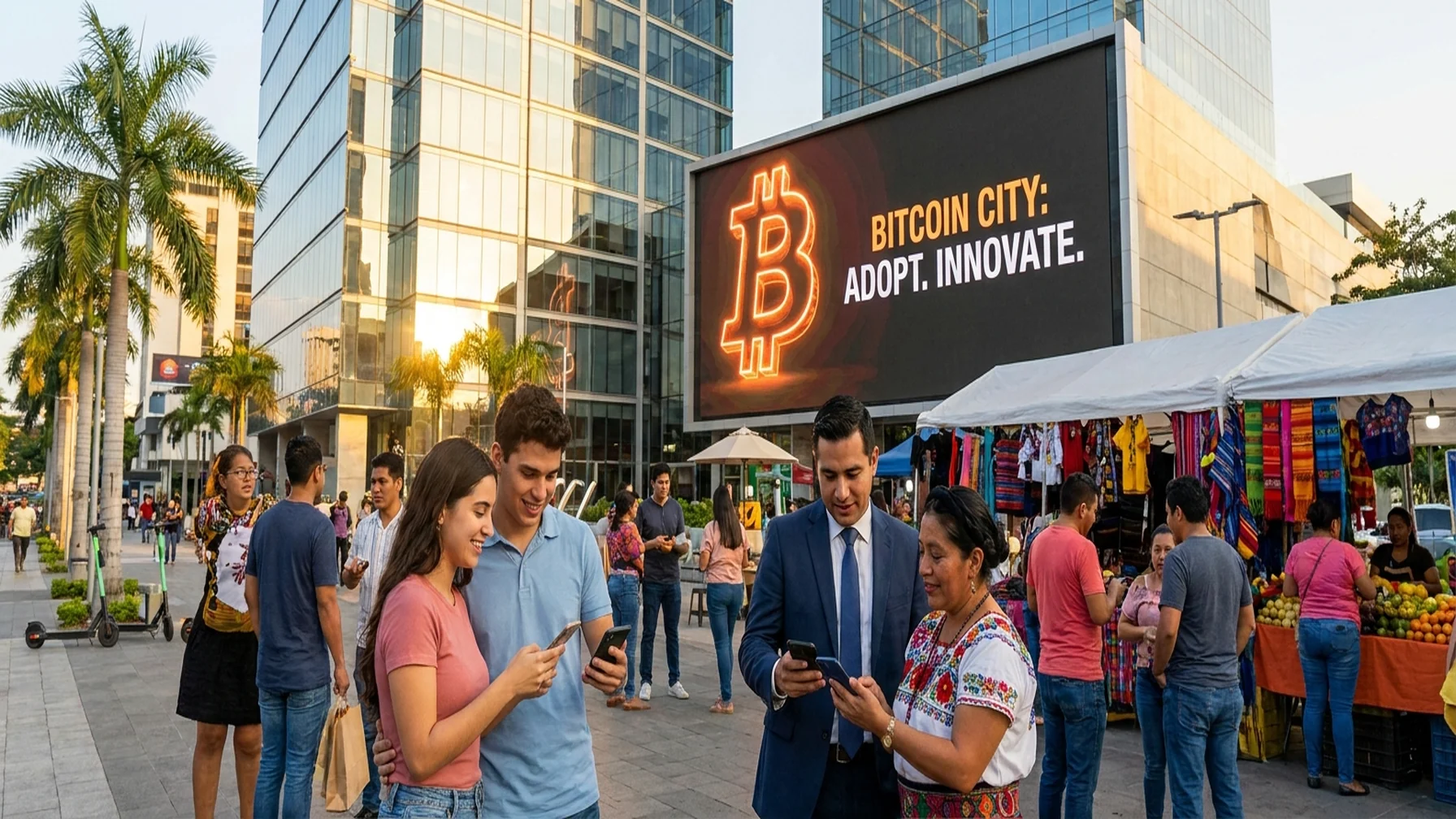
El Salvador's adoption of Bitcoin as legal tender marks a significant milestone. Initiatives such as Bitcoin City and Bitcoin Beach, led by President Nayib Bukele, showcase the potential of cryptocurrency to drive financial inclusion and innovation at a national level.
Merchant Stories: Everyday Bitcoin Spending
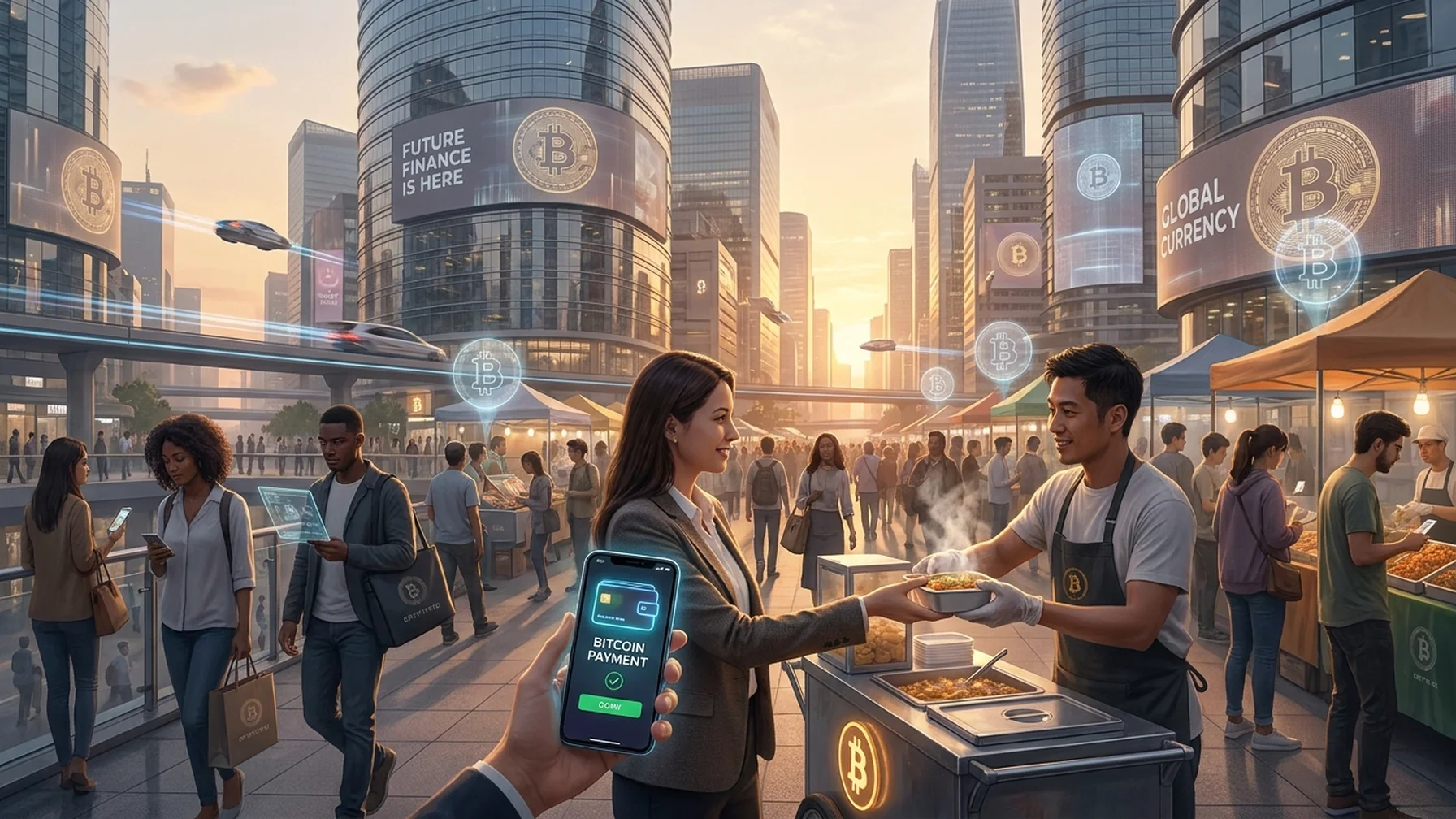
As merchant acceptance of Bitcoin grows, stories of using cryptocurrency in daily life are becoming more common. The Lightning Network facilitates seamless transactions, allowing users to pay for goods and services with Bitcoin as easily as with traditional currency.
In 2024, spending cryptocurrency, particularly Bitcoin, is not just a financial transaction but a cultural experience that connects users to a rich history and a dynamic, decentralized future. Each transaction, whether commemorating Bitcoin Pizza Day or exploring new technological upgrades, reflects the innovative spirit of Bitcoin's origins.
To better understand the factors involved in spending cryptocurrency, here's a table summarizing key considerations:
| Aspect | Key Considerations |
|---|---|
| Merchant Acceptance | Increasing among major retailers and online platforms |
| Security | Enhanced with advanced digital wallet features |
| Stablecoins | Emerging as a practical option for everyday spending |
As the landscape for spending cryptocurrency continues to evolve in 2024, understanding these factors can help users make informed decisions about their digital assets.