
Exploring the Origins: Analyzing Early BTC Transactions
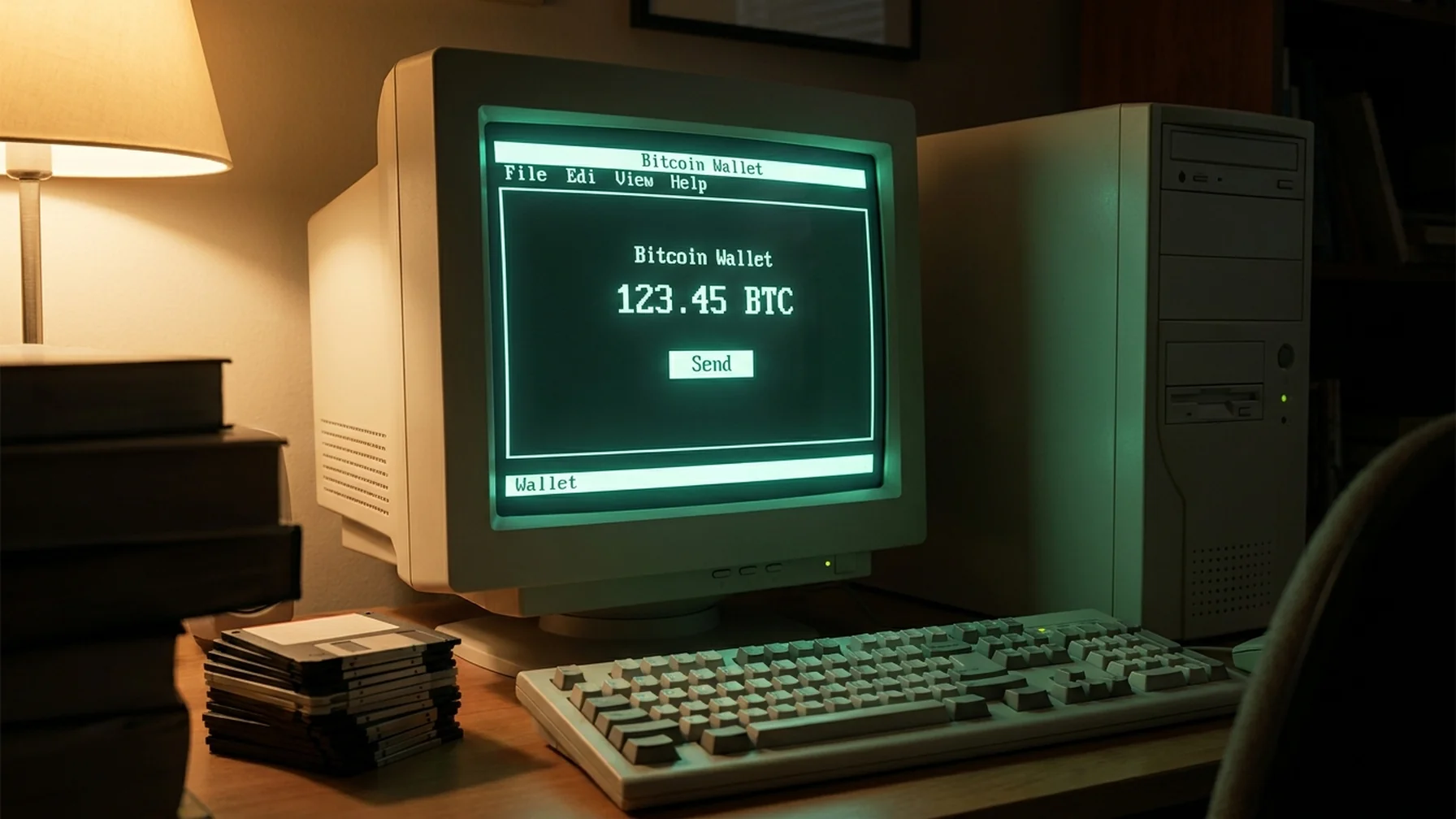
Bitcoin, a groundbreaking digital currency, began with a series of early transactions that significantly shaped its development and cultural importance. Analyzing early BTC transactions sheds light on the cryptocurrency's origins and pivotal moments that have defined its journey. From the iconic Bitcoin Pizza Day to the enigma of Satoshi Nakamoto, these transactions weave a story of innovation and intrigue.
Bitcoin Pizza Day: A Slice of History
One of the most famous early BTC transactions occurred on May 22, 2010, known as Bitcoin Pizza Day. On this day, Laszlo Hanyecz, a programmer and Bitcoin enthusiast, made history by purchasing two pizzas for 10,000 BTC. At the time, the transaction was valued at around $41, but today, those coins would be worth millions. This event not only marks the first real-world transaction using Bitcoin but also highlights the currency’s potential and volatility.
The Mystery of Lost BTC Wallets
In the early days of Bitcoin, many wallets were created, but not all survived. Lost BTC wallets are a significant part of Bitcoin's history, with millions of coins believed to be permanently inaccessible. These lost coins contribute to the scarcity and value of Bitcoin today.
The reasons for wallet losses vary, ranging from forgotten passwords to misplaced private keys. Understanding these causes can help users avoid similar pitfalls.
- Forgotten passwords
- Misplaced private keys
- Device failures
- Software errors
These factors serve as a cautionary tale for current and future Bitcoin users, emphasizing the importance of secure wallet management.
Analyzing Early BTC Transactions: Key Metrics and Insights
To effectively analyze early Bitcoin transactions, follow these structured steps to gain insight into their characteristics and impact. Each step will guide you through the process of extracting and interpreting essential data.
- Gather a dataset of early Bitcoin transactions from reliable blockchain explorers or archives.
- Utilize blockchain analysis tools to visualize transaction patterns and wallets involved.
- Identify key metrics, such as transaction volume, fee structures, and the socio-economic implications of these transactions.
By following these steps, you can develop a comprehensive understanding of early Bitcoin transactions, their significance in the evolution of cryptocurrency, and how they influenced current market dynamics.
The Enigma of Satoshi Nakamoto
The identity of Bitcoin's creator, Satoshi Nakamoto, remains one of the biggest mysteries in the cryptocurrency world. Satoshi's early transactions and communications laid the foundation for Bitcoin's development, yet their true identity has never been revealed. This anonymity has led to numerous theories and speculations, adding an element of intrigue to Bitcoin's origin story.
The Genesis Block: Bitcoin's Starting Point
The Genesis Block, also known as Block 0, is where it all began. Mined by Satoshi Nakamoto on January 3, 2009, it contains a hidden message referencing a headline from The Times about bank bailouts. This nod to financial instability reflects the motivations behind Bitcoin's creation — to offer an alternative to traditional banking systems. The Genesis Block serves as a cornerstone of Bitcoin's history and ideology.
Understanding Bitcoin's Early Adoption Through Transactions
Analyzing early BTC transactions provides valuable insights into the cryptocurrency's initial adoption and usage. Here are some key aspects to consider:
- The volume of transactions in the early days of Bitcoin.
- Identifying key early adopters and their transaction patterns.
- An examination of transaction fees and their evolution over time.
Understanding these elements can help researchers and enthusiasts appreciate the historical context of Bitcoin, as well as how its transactional dynamics have shifted since its inception.
Impact of Lost BTC Wallets Over Time
Below is a table illustrating the estimated impact of lost wallets over time, showcasing the significant portion of Bitcoin that is believed to be inaccessible.
| Year | Estimated Lost BTC | Percentage of Total Supply |
|---|---|---|
| 2010 | 1 million BTC | ~4.76% |
| 2020 | 1.5 million BTC | ~7.14% |
This table highlights the growing impact of lost Bitcoin over the years, contributing to the overall scarcity of the cryptocurrency.
Micro-Examples of Early BTC Transactions
The following table provides a detailed overview of early Bitcoin (BTC) transactions, highlighting key metrics such as transaction ID, date, amount, and the sending and receiving addresses. This data is essential for understanding the evolution of Bitcoin's use in its formative years.
| Transaction ID | Date | Amount (BTC) | From Address | To Address |
|---|---|---|---|---|
| 0e3e2357e806b6cdb1f70b54c2a7e5b1b8dd80de | 2009-01-12 | 50 | 1A1zP1eP5QGefi2DMPTfTL5SLmv7DivfNa | 1BvBMSEYstWetqTFn5Au4m4GFyFei9PWnR |
| 4e5K7tfFuu5n8hjXyKFa5ZpZ3Sa7SaQr8c | 2010-05-22 | 10,000 | 1P3tprTGQeSZ5HRR6yUQZVwHyaAyjX9KTh | 1N2z8DsnFvrVt1FbP1L7Fu8qsde1cFksCT |
This table illustrates a couple of landmark transactions within the early Bitcoin ecosystem, showcasing how transactions were conducted and the pseudonymous nature of addresses involved. Analyzing this data helps in assessing the historical significance of Bitcoin's genesis and its subsequent adoption by users.
Conclusion: The Legacy of Early Bitcoin Transactions
Analyzing early BTC transactions offers a unique perspective on Bitcoin's journey from an experimental digital currency to a transformative financial force. Each transaction, from the iconic Bitcoin Pizza Day to the mysterious Genesis Block, contributes to the rich tapestry of Bitcoin’s history. Understanding these early moments provides valuable insights into Bitcoin's cultural significance and future potential.