The Intersection of Runes Protocol and Bitcoin

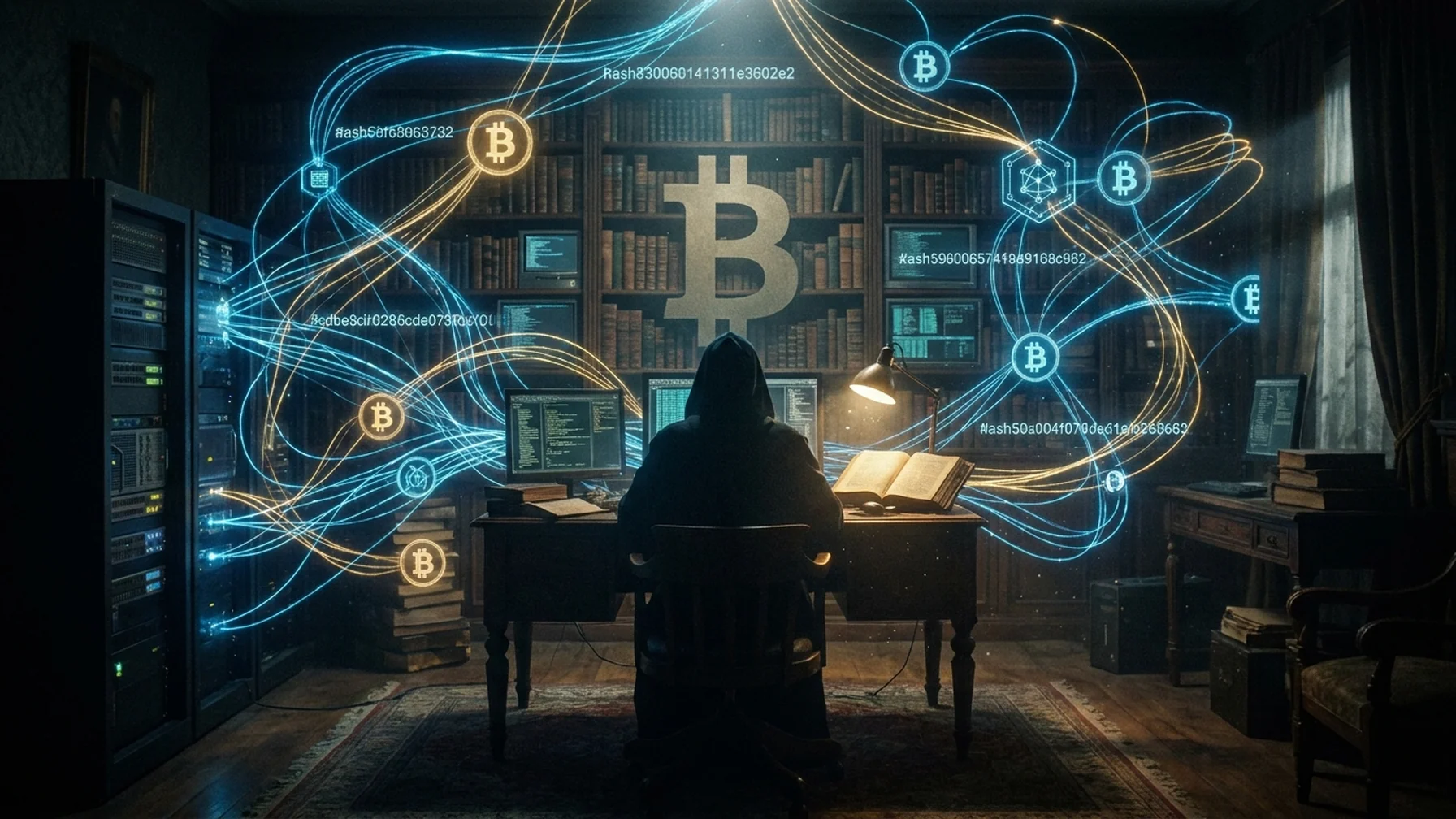
Bitcoin has revolutionized finance, changing how we perceive money and transactions. Within this ecosystem, the Runes Protocol emerges as an innovative technology complementing Bitcoin's development. The intersection of Runes Protocol and Bitcoin is marked by significant milestones, such as Bitcoin's inception and its adoption as legal tender in El Salvador. This article explores how the Runes Protocol integrates with Bitcoin, highlighting key features and differences that shape their roles in the cryptocurrency landscape.
Understanding Bitcoin's Foundations
Bitcoin's journey began with the Genesis Block in 2009, which established the foundation for decentralized finance. Early transactions, like the famous Bitcoin Pizza Day, when 10,000 BTC were exchanged for two pizzas, highlight Bitcoin's evolution from a novel idea to a viable currency. These initial exchanges demonstrate Bitcoin's growth as a medium of exchange, sparking a movement that has led to widespread adoption.
Bitcoin's adoption as legal tender in El Salvador is a pivotal moment. Initiatives such as Bitcoin Beach and Bitcoin City aim to integrate Bitcoin into everyday life, promoting financial inclusion and innovation. The following table outlines key initiatives related to Bitcoin in El Salvador:
Bitcoin Initiatives in El Salvador
| Initiative | Purpose |
|---|---|
| Bitcoin Beach | Facilitate everyday Bitcoin transactions |
| Bitcoin City | Develop a city powered by cryptocurrency |
El Salvador's strategy includes several important steps to implement Bitcoin nationwide:
- Legalization of Bitcoin as a national currency.
- Installation of Bitcoin ATMs for easy access.
- Promotion of Bitcoin education and training programs.
- Development of infrastructure to support Bitcoin transactions.
These initiatives highlight El Salvador's commitment to integrating Bitcoin into its economy, showcasing cryptocurrency's potential to influence global financial systems.
Comparing Runes Protocol and Bitcoin
The comparison between Runes Protocol and Bitcoin highlights their unique features in blockchain technology. Below is a table outlining their key differences and similarities:
| Feature | Runes Protocol | Bitcoin |
|---|---|---|
| Type of Network | Decentralized Blockchain | Decentralized Digital Currency |
| Consensus Mechanism | Proof of Stake | Proof of Work |
| Primary Use Case | Smart Contracts and DeFi | Peer-to-Peer Transactions |
| Transaction Speed | Fast Transactions | Slower Transaction Confirmation |
| Market Capitalization | Emerging | Established Leader |
This table illustrates the different aspects of Runes Protocol and Bitcoin, showing how Runes aims to innovate within the blockchain space while Bitcoin remains a dominant player. Understanding these differences can help users decide which protocol aligns better with their needs in the digital economy.
Integrating Runes Protocol with Bitcoin
Understanding the integration of Runes Protocol with Bitcoin can enhance your knowledge of innovative financial technologies. Here are essential steps to grasp this topic effectively:
- Research the fundamentals of Bitcoin, including its blockchain technology and decentralization principles.
- Familiarize yourself with the Runes Protocol, focusing on its design goals and functionalities within cryptocurrency ecosystems.
- Explore potential applications and benefits of combining Runes Protocol with Bitcoin, analyzing real-world use cases or projects illustrating this integration.
By following these steps, you'll gain a comprehensive understanding of how Runes Protocol interacts with Bitcoin, paving the way for deeper insights into future blockchain applications.
Technological Advancements in Bitcoin
Technical advancements such as SegWit and the Taproot upgrade have significantly enhanced Bitcoin's functionality. These upgrades improve scalability and privacy, addressing key challenges faced by the Bitcoin network. Alongside these developments, the Lightning Network offers faster, cheaper transactions, making Bitcoin more viable for everyday use. These innovations demonstrate ongoing efforts to improve the Bitcoin network and ensure its longevity.
Bitcoin Ordinals and the Runes Protocol
The Runes Protocol introduces a new dimension to Bitcoin by allowing inscriptions on the blockchain. These inscriptions, known as Bitcoin ordinals, provide a way to record data directly on Bitcoin's ledger. This innovation adds utility to the Bitcoin network, enabling new use cases and applications. For instance, artists and content creators can use Bitcoin ordinals to authenticate and preserve digital works. The Runes Protocol thus expands possibilities for what can be achieved with Bitcoin, highlighting the network's adaptability and potential for growth.
Bitcoin Mining Evolution and Forks
Bitcoin mining has evolved significantly since the Genesis Block. From individual miners using personal computers to large-scale operations with specialized hardware, the landscape has changed dramatically. Forks like Bitcoin Cash (BCH) and Bitcoin SV (BSV) have further diversified Bitcoin's ecosystem, each representing differing visions for Bitcoin's future. These forks reflect the dynamic nature of the Bitcoin community and ongoing debates about how best to scale and develop the network.
Using Bitcoin: From Lightning Payments to Merchants
Bitcoin's journey as a currency involves stories of merchants accepting it for goods and services. The advent of the Lightning Network facilitates quick payments, making Bitcoin more practical for everyday transactions. For instance, coffee shops, restaurants, and online retailers have started accepting Bitcoin, providing customers with diverse payment options. These developments highlight Bitcoin's potential as a universal currency and underscore the importance of infrastructure in supporting cryptocurrency adoption.
Gold vs. Bitcoin: Modern Economic Debate
The debate between gold and Bitcoin as stores of value continues to engage economists and investors. Bitcoin's fixed supply contrasts with the potentially unlimited supply of fiat currencies, positioning it as a hedge against inflation. Meanwhile, gold's historical role as a stable store of value provides a benchmark against which Bitcoin is often compared. This debate highlights evolving perceptions of value and diverse strategies investors employ in the digital age.
In conclusion, the Runes Protocol and innovations like Bitcoin ordinals showcase the dynamic nature of the Bitcoin network. As Bitcoin's story unfolds, it continues to challenge traditional finance, offering new possibilities and narratives for the future. The intersection of Runes Protocol and Bitcoin exemplifies the ongoing evolution of the cryptocurrency landscape, as developers and users alike explore the potential of blockchain technology to transform economies and societies worldwide.